When Americans think about national security threats, they usually picture distant places—Eastern Europe, the South China Sea, or the Middle East. Venezuela doesn’t often make that list. But maybe it should.
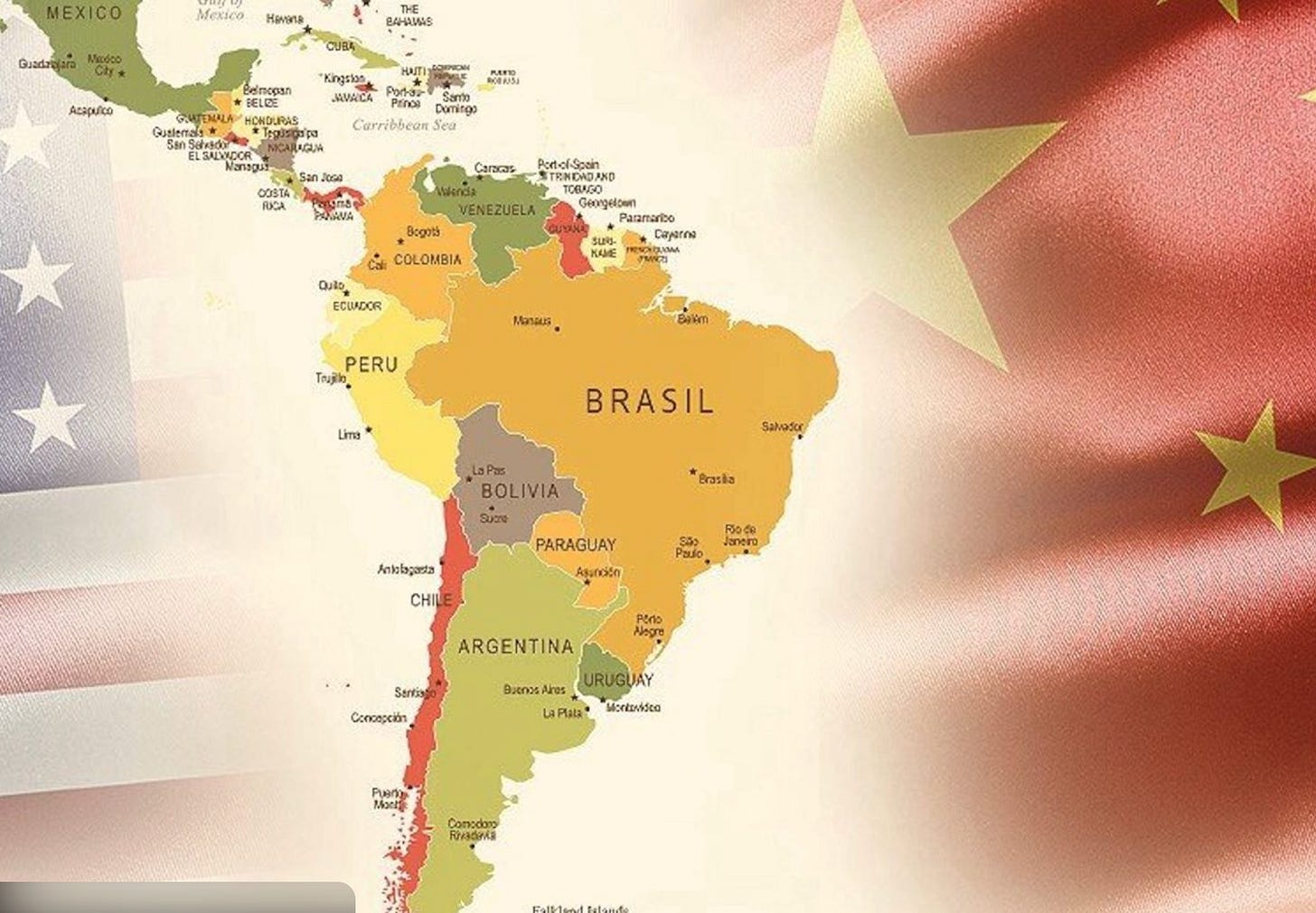
In a recent Breaking Battlegrounds conversation, national security expert Mike Waller laid out a sobering reality: Venezuela isn’t some remote geopolitical chessboard. It’s part of America’s maritime southern border. And if adversaries like China, Russia, or Iran establish a permanent military presence there, the consequences for U.S. security and global power would be profound.
This isn’t speculation. It’s history repeating itself—only closer to home.
Why Venezuela Matters to U.S. Survival
Mike Waller put it bluntly: allowing a foreign adversary to build a permanent military footprint in Venezuela would be like letting the Soviet Union establish a base in Nicaragua during the Cold War—except the stakes are even higher today.
A hostile naval presence on America’s southern maritime border would fundamentally alter U.S. strategy. The United States wouldn’t just be defending its interests overseas; it would be forced to guard its own backyard at all times. That shift alone would weaken America’s ability to project power globally.
As Waller explained, once an adversary plants itself that close, “we won’t be able to look after our interests elsewhere around the world.”
The Supply Line Problem No One Talks About
Sam Stone raised a critical point: in a future conflict with China, a permanent Chinese military presence in the Caribbean wouldn’t just be symbolic—it could be fatal.
Why? Supply lines.
Modern wars aren’t won by slogans or speeches; they’re won by logistics. Fuel, food, weapons, and equipment must move continuously. A Chinese naval presence near Venezuela would give Beijing the ability to disrupt American supply lines in ways that could cripple U.S. operations before a conflict even fully unfolds.
And this threat wouldn’t be limited to wartime.
“Just Commercial Ports” — Until They Aren’t
China’s Belt and Road Initiative is often described as an economic project. But as Waller detailed, it’s also a military one—by design.
China builds deep-water ports around the world that are technically commercial but deliberately engineered for dual use. Cruise ships today. Naval destroyers tomorrow.
China has already completed a major deep-water port in Peru on South America’s Pacific coast. On its own, that may sound harmless. But once China’s navy expands, that port becomes a trans-Pacific military asset.
Now imagine similar ports on the Caribbean side.
That’s not hypothetical either.
The Caribbean Choke Point
China has already established a strategic foothold in Antigua and Barbuda, corrupting local leadership and building infrastructure eerily reminiscent of Cold War-era Soviet projects. Waller compared it directly to the massive airstrip built by Cuban forces in Grenada in the early 1980s—a development so dangerous that President Reagan ordered U.S. troops to intervene.
Why was that airstrip intolerable?
Because it could handle enemy strategic bombers.
Fast forward to today. A Chinese capability to project air and naval power into the Caribbean would place U.S. commerce and security at unprecedented risk.
Trade, Energy, and the American Heartland at Risk
The implications go far beyond military theory.
A Chinese naval presence near Venezuela would sit astride:
-
Both ends of the Panama Canal
-
Major trade routes through the Caribbean
-
Energy exports from Texas
-
Commercial traffic flowing down the Mississippi River into the Gulf and beyond
Every container ship, every tanker, every export would pass under the watchful eye of a permanent foreign naval force operating just off America’s shores.
As Waller emphasized, this is something the United States has never experienced before.
A Red Line America Can’t Ignore
This isn’t about ideology or politics—it’s about geography, power, and reality.
Allowing China—or any hostile power—to establish a permanent military presence in Venezuela would mean surrendering control over America’s own maritime border. It would reshape global trade, weaken U.S. deterrence, and place the American economy at daily risk.
Venezuela isn’t far away.
It’s already at our doorstep.
And whether policymakers acknowledge it or not, the decisions made there may define America’s strategic future for generations.
Transcript
Chuck Warren: Right. Well, so Mike, explain to our audience why this is, why Venezuela is important, why it’s important to keep the footprint of China and Russia and Iran out of South and Central America.
Mike Waller: Sure. Well first, Venezuela is part of our maritime southern border. And if we can’t protect our maritime southern border and indeed allow the Chinese to build a presence there, then we’re finished. Right. Now, why is Venezuela itself so important?
Chuck Warren: Let me step back. I want you to play dummy’s guide to international relations. Tell our audience why does that mean we’re finished if they establish naval presence there.
Mike Waller: Well, it would have been like letting the Soviets build military base in Nicaragua in the 1980s. You know, once you have a foreign adversary establishing a permanent military presence on our southern border, we won’t be able to look after our interests elsewhere around the world.
Sam Stone: One of the things that would have a significant impact, let’s say we ever did get into a shooting war with China, if they had a permanent military presence there, it would give them, least as I understand it, the ability to disrupt our supply lines in that war in a way that might be fatal.
Mike Waller: Right. And not just in time of war, but with their Belt and Road Initiative, they’re building deep water ports around the world. They’ve completed one in Peru, so that’s the Pacific coast of South America, which is dual use. So the way the Chinese Navy is being built, it uses dual use facilities, commercial cruise liner ports and freighter and tanker ports.
Have a dual use capability with the Chinese Navy, which doesn’t have a power projection capability yet to our hemisphere, but it will. So when they’re building these ports that we look at as, they’re just commercial. Yeah, they’re just commercial, but they’re dual use. So now that port in Peru will allow the Chinese Navy, once it builds its fleet up, to have a trans-Pacific capability.
Once they do that on the Caribbean side so they built a port like this in this tiny island Antiga and Barbuda and corrupted the whole government there and they’ve they’ve got a ten thousand foot kind of like the one that was built by the cubans in Granada in the early nineteen eighties which was why president Reagan sent troops in there to liberate the country because we couldn’t tolerate something that could handle enemy strategic bombers.
So so if you have a Chinese ability to project air power and then to project naval power into the Caribbean, then there goes our trade at both ends of the Panama Canal. There goes all of our trade out of Texas, everything coming down the Mississippi River, going through the Gulf of America into the Caribbean out there. It’s going to have to pass a permanent Chinese naval presence in right on our border. This has never happened to us before.
Listen to the full episode of Breaking Battlegrounds anywhere you stream your podcasts!