For Republicans, the road to holding Congress may hinge less on campaign strategy and more on something voters feel every day: the economy.
In the latest episode of Breaking Battlegrounds, guest Henry Olsen offered a sober assessment of what must happen between now and mid-summer if Republicans hope to maintain their majorities. Inflation may be easing, he noted, but the political math will depend on whether Americans actually feel financially better off.
Right now, many do not.
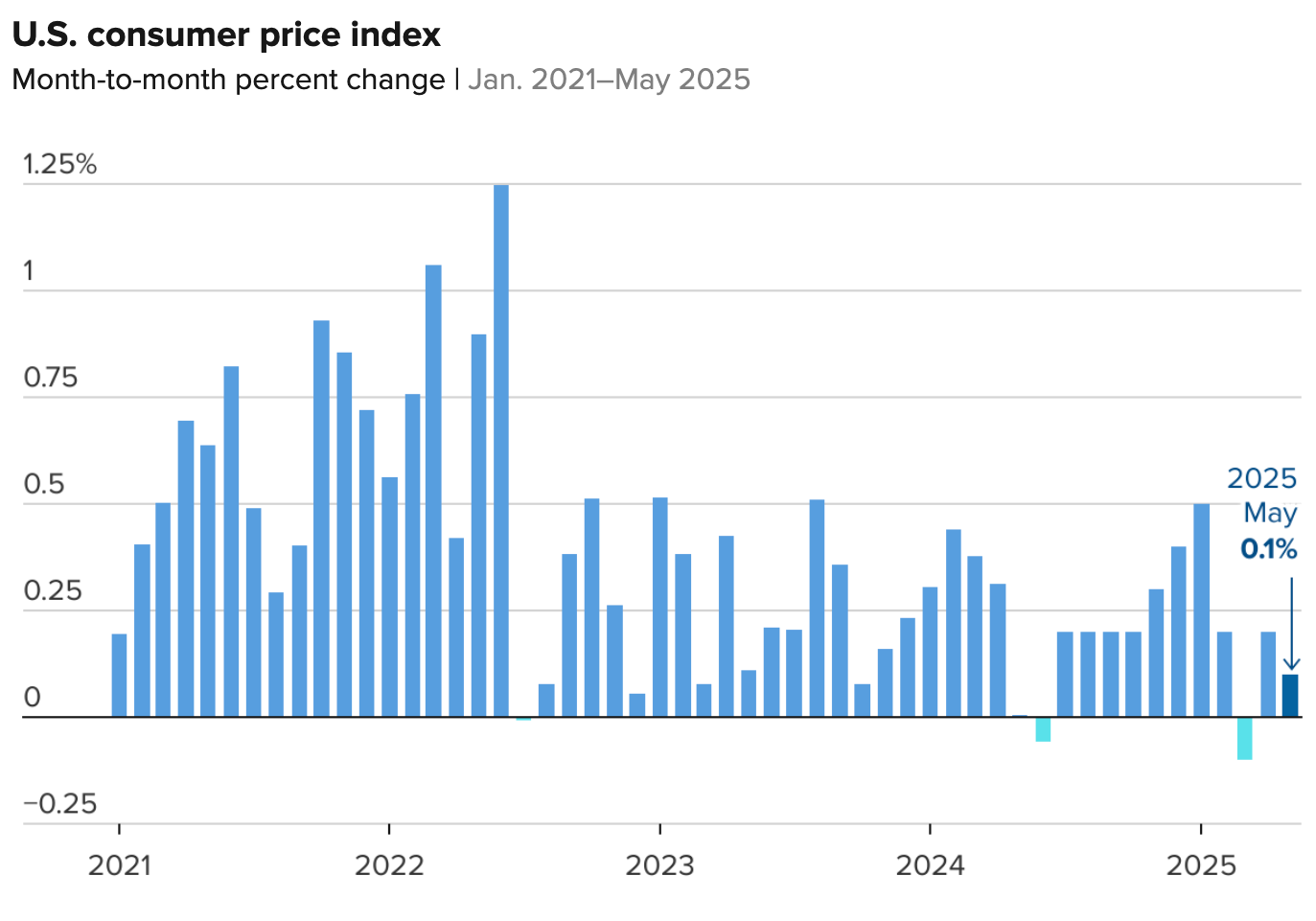
Cooling Inflation Is Only Part of the Story
When co-host Chuck Warren pointed out that the latest inflation report came in below economists’ expectations, Olsen acknowledged the improvement but quickly shifted the focus.
The key question, he argued, is not whether the economy is stabilizing on paper. It is whether voters experience meaningful progress in their daily lives.
Olsen highlighted two indicators that must show clearer momentum:
-
Real wage growth
-
Expanding employment opportunities
At present, he said, both are improving too slowly to change public perception.
“It’s not a recession, it’s not awful — but it’s not better,” Olsen explained.
That economic middle ground can be politically dangerous. Voters who do not feel relief rarely reward the party in power.
The Voters Feeling the Strain
According to Olsen, the uneven recovery is being felt most strongly among lower-income Americans.
Many workers, particularly at the lower end of the income scale, are still finding it difficult to secure and maintain stable employment. While real wages have technically risen, the pace has been modest enough that many households remain financially behind where they were at the beginning of the Biden presidency.
This gap between improving data and lived experience is central to the political risk Republicans face.
Until voters feel tangible progress, broader economic improvements may not translate into political gains.
The Number to Watch: 43 Percent
Olsen pointed to what may be the most consequential figure in the months ahead: presidential approval.
Former President Donald Trump currently sits at roughly 43 percent approval among registered voters in the polling Olsen referenced. The target range, he suggested, is clear.
If that number rises into the 45 to 46 percent range, Republicans would be in a much stronger position to hold the Senate. Without that movement, the path becomes considerably more uncertain.
In a closely divided political environment, a shift of just a few points can determine control of an entire chamber.
The House: A Much Steeper Climb
While Olsen sees a plausible path for Senate stability under the right economic conditions, he was notably more cautious about the House.
Given Republicans’ narrow majority, he said it would be “very, very difficult under any circumstance” for the party to maintain control of the lower chamber.
That assessment underscores how little room for error exists heading into the heart of the election cycle. Even modest political headwinds could be enough to tip the balance.
The Bottom Line
Between now and early summer, the trajectory of the economy could carry outsized political consequences.
For Republicans to solidify their position, Olsen argued, voters will need to see clear and measurable progress in areas that affect daily life:
-
Stronger real wage growth
-
More visible job opportunities
-
A broader sense of economic momentum
Cooling inflation alone may help, but it is unlikely to be sufficient if voters still feel financially strained.
In today’s tightly divided Washington, the difference between holding power and losing it may come down to whether the economy merely stabilizes — or genuinely improves in the eyes of the public.
Transcript
Chuck Warren: No, that’s a great point, Henry. We got two minutes left in this segment. The inflation report today, again, it was under what economists predicted. What do you think needs to happen? Where does the economy need to be in June and July for Republicans to have a chance of maintaining their majorities in the House and Senate?
Henry Olsen: I think the economy needs to be showing real wage gains and directionally employment opportunities opening up. What we’ve seen in the first year of the Trump administration is that for people who across the board, but particularly people in the lower end of the socioeconomic status are finding it harder to get and hold jobs. It’s not a recession, it’s not awful, but it’s not better.
And real wage gains are happening, but they’re happening slowly so that the average person is still poorer today than they were when Joe Biden took office. So I think if you started to see noticeable pickups on both things, people would start to feel better about the economy. The bottom line for Trump is that his job approval rating among registered voter polls is 43%. He wants to get that to the 45 to 46% range to pretty much guarantee the Republicans holding the Senate, I think it would be very, very difficult under any circumstance for the Republicans to hold the House, given their very narrow majority.
Sam Stone: How much of a... Well, we’ll get into that when we come back because we don’t have much time here, but even not having the House is going to be a major, major problem for the Trump administration, I tend to think.
Listen to the full episode of Breaking Battlegrounds anywhere you stream your podcasts!