On a recent episode of Breaking Battlegrounds, Sam Stone and Carol McNamara discussed why classical schools like Great Hearts are gaining attention, and how their model differs from many modern charter and STEM-focused schools.
Sam noted that some of the biggest names in charter education narrow their focus almost entirely to academics—especially science, math, and career-oriented skills. While effective in certain areas, these schools often lack the full campus life experience that traditional public schools offer, such as sports, arts programs, and extracurricular activities. Sam argued that Great Hearts took a different approach from the beginning by including athletics and school community life, helping students grow beyond the classroom.
Carol agreed, explaining that classical education is designed to shape well-rounded students rather than academic specialists. She pointed out that students study Latin and even ancient Greek, not as academic novelties but as foundational tools for understanding language. Learning how language works at its roots makes students stronger thinkers and better readers, and it improves their understanding of English and literature later on.
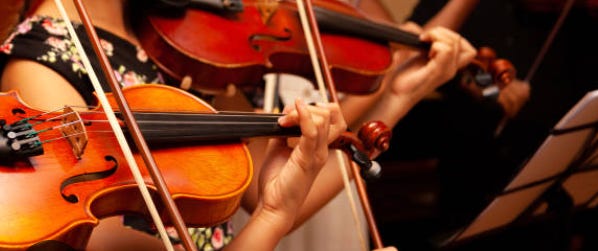
She also emphasized that classical education cultivates cultural appreciation through music, visual arts, and creative projects at every grade level. Each school hosts annual art initiatives, and music is not treated as an optional add-on but as a core part of formation. This helps students learn to appreciate not just knowledge and civic life, but also beauty—what they read, hear, and see in the world around them.
Together, Sam and Carol suggested that the combination of academics, language training, athletics, arts, community life, and cultural literacy prepares students to develop as full human beings, not just high achievers on tests. Classical schools, they noted, aim to help students recognize the good in society, the human in literature and culture, and the beautiful in art and music.
In an educational landscape often driven by specialization, this whole-student model stands out as a more balanced alternative—and may explain why so many families are drawn to it.
Transcript
**Sam Stone: **One of the things I think is different, and tell me how important you think this is, but with Great Hearts, I felt like they had a whole of student approach from the start, where maybe some of the other big name competitors, and I’m not here to trash anybody in that space, but their focus is maybe so narrowly academic, it’s so narrowly STEM, or it’s on other things.
I thought one of the advantages of Great Hearts was they included the athletics. They included all of the extra things that are built in around a public high school for their four year students, which a lot of other charters sort of missed that boat. How much of an advantage do you think that gives your students in developing as fully rounded humans?
Carol McNamara: Well, I think that’s true. We focus, I mean, students, young students learn Latin. They learn how to read, how to dissect language, how to learn a foreign language, right? So Latin is a foundation for learning. Yes, they learn Greek too, ancient Greek too. But they learn how to learn languages. Their minds become agile in becoming familiar with language per se.
And that makes it, that makes the English language and literature and ideas more accessible to them. But then they’re also, they’re all involved in music and every school has an art project every year. So they become, they are prepared to appreciate not just the good in terms of society and learning and politics and government and so on and not just the human in terms of literature. But also the beautiful in terms of literature and music and what they see around them and how to appreciate it and what they hear around them.
Listen to the full episode of Breaking Battlegrounds anywhere you stream your podcasts!