The demand has been simple. Release the files. Unredact the names. Tell the public who was involved. On social media, on cable news, and increasingly on Capitol Hill, the pressure surrounding the Epstein documents has reached a boiling point. Why, critics ask, are lawmakers who have seen the unredacted files not walking onto the House floor and naming names? If they’ve read it — why not say it? On Breaking Battlegrounds, the question wasn’t political theater. It was legal. And the answer was far more complicated than most people want to hear.
The Settlement Problem No One Talks About
One major factor rarely discussed publicly: settlements. Many victims connected to the Epstein estate entered into financial settlements. As attorney Henry Olsen explained on the podcast, those agreements typically come with conditions — and one of the most common is a non-disclosure agreement.
In plain terms: You receive compensation. In exchange, you agree not to disclose certain information. These aren’t informal understandings. They’re court-approved agreements enforceable under law. Violating them can carry significant legal consequences. And from the estate’s perspective, attaching confidentiality terms would be predictable — especially if the alternative is allowing public allegations to circulate freely without adjudication. That reality complicates the popular demand to “just name the names.”
The Defamation Line No One Wants to Cross
The second issue is even more significant: defamation risk. If a member of Congress were to publicly name an individual based solely on what they saw in an investigative file — without a conviction, without formal charges, without due process — they could be making an allegation of serious criminal or immoral conduct. And that opens the door to defamation lawsuits.
Olsen made the point bluntly: prosecutors and attorneys operate under evidentiary standards. They do not accuse publicly unless they believe they can prove it in court. Seeing a name in a file is not the same as proving a crime beyond a reasonable doubt. And making a public allegation without that standard could expose someone to massive legal liability.
What About the House Floor?
There is one constitutional wrinkle. Under the Speech or Debate Clause, members of Congress are generally protected from liability for statements made on the House floor during official proceedings. In theory, that could shield a lawmaker who names someone during formal debate. But even that protection isn’t entirely settled in edge cases — particularly when statements veer into allegations about private individuals without formal findings. As Olsen suggested, few lawmakers appear eager to be the one who tests that boundary in court. Because once a name is said publicly, the damage — reputational or otherwise — cannot be undone.
Redactions Aren’t Always a Cover-Up
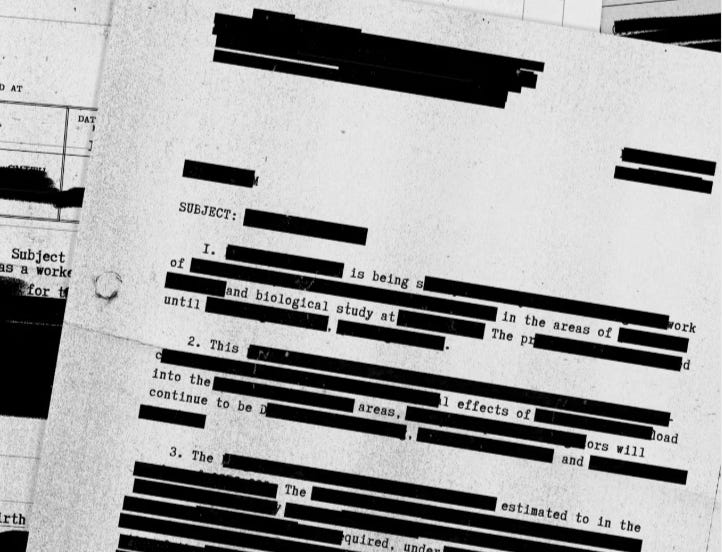
It’s easy to assume redactions equal concealment. But prosecutors often redact names in ongoing or incomplete investigations for one core reason: accusation is not conviction. If the government cannot meet the evidentiary burden required to charge someone, publicly associating their name with allegations carries enormous legal and ethical consequences. The question becomes not “Why aren’t they naming names?” but: Can they prove what they would be accusing someone of?
And if not — should they?
The Frustration Is Real. So Is the Legal Reality.
The Epstein case remains one of the most disturbing criminal scandals in modern American history. The public’s demand for transparency is understandable.
But transparency collides with two powerful legal forces:
-
Court-enforced settlement agreements.
-
Defamation law and evidentiary standards.
That doesn’t eliminate suspicion. It doesn’t quiet public anger. But it explains why the call to “just name the names” is not as simple as it sounds. Because once an accusation leaves the chamber floor or a press conference microphone, it becomes more than a political statement. It becomes a legal act. And in the American system, allegations — especially of crimes this serious — are supposed to be proven before they are declared.
Transcript
**Chuck Warren: **All right, second question. Democrats seem to have two favorite topics, ICE and the Epstein files, which I didn’t hear anything about from 2021 through into 2024. My question is this, and I ask this because you’re an attorney and I think you’ll know the answer. You see a lot on social media, you see a lot of people talking about, you have these victims, a lot of them have signed settlements with the Epstein estate.
You have these congressional members who go in and read it and see the names not redacted. What is preventing those who did get a settlement from naming names? And what is preventing from congressional members from going on the floor and naming names? I mean, it just seems like they want to keep dragging this out where simple thing is just name the names.
**Henry Olsen: **I think if you’re going to get a settlement, settlements typically they’re between private parties and you can attach terms to them, although they are, if they’re legal settlements, they’re always going to be approved by court and have a forced law if you violate them. They’ll typically have things like non-disclosure agreements. You know, we’ll pay you such and such amount of money if you say you’re not going to say information X, Y and Z. And of course, one of the things the Epstein estate would probably not want is to talk about people who allegedly, and that’s all a statement would be, is an alleged participant.
Sam Stone: We’ve lost. Unfortunately, yeah, we appear to have lost Henry. We’re going to try to get him back as quick as we can here. Obviously, this is going to be an ongoing topic. I wanted to touch back while we’re just waiting here, People don’t realize how much jihadist violence has been rocking Europe. I mean, one of the things about Switzerland’s move is that they have had a massive series of bombings across the country that no one’s reporting.
Chuck Warren: Henry go ahead we cut off here we’re talking about the settlements.
**Henry Olsen: **That’s fine. I didn’t realize about the bombings, but certainly I knew that there are many countries that have bombings that are related to Islamic migrants. Sweden is particularly prone to hand grenade attacks. People just throw hand grenades into crates.
Sam Stone: Apparently Switzerland, it’s like a wild series of ATM bombings where they’re using explosives to blow them open and then people are getting collaterally injured and killed, so.
Henry Olsen: Yeah, amazing how that’s something people may not like. So with respect to the Epstein files, the question is, what if somebody reads something? They’re going to be accusing somebody of something that is arguably illegal or immoral without going through any sort of process of checking those allegations. And that means that they would be open to defamation charges.
Now if they were to say that on the house floor that constitution provides a no member shall be held in any way liable for things they say on the house floor, I think we’re going to see whether or not that pertains to non-official business with respect to Nancy Mace having claimed that her former fiancé, on the floor. She claimed on the floor that her former fiancé raped her and so forth.
But I’m sure people don’t want to be subject to a defamation charge and I’m not sure they want to be the person who tests that by making and as I saw such and such in a in an unredacted file. And I think that’s why so many of the names are redacted, which is that why would you want to de facto make an allegation?
Chuck Warren: Exactly.
Henry Olsen: Without going through the sort of things that would allow you to bring, be certain that you could get a conviction in the court of law. I think that’s what’s been going through it’s not about there may be a cover-up but more likely is that prosecutors who know they have to meet certain evidentiary standards to say certain things about people are loath to do that generally in criminal investigations until they know they can back them up.
Listen to the full episode of Breaking Battlegrounds anywhere you stream your podcasts!