If the reports are true, the implications are chilling. According to recent headlines, Russia may be providing intelligence about U.S. troop movements to Iran — potentially giving a hostile regime insight into American military operations.
For most Americans, the story raises a disturbing question: how could something like this happen? But according to one member of Congress who spent years fighting America’s wars overseas, the real surprise isn’t that it might be happening — it’s that people are surprised at all.
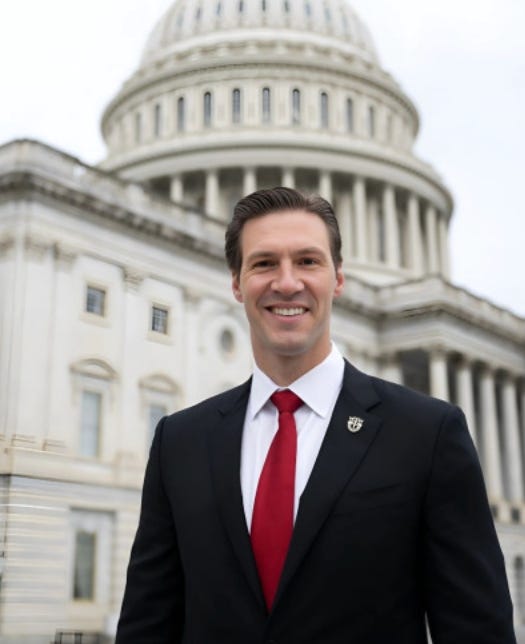
In a recent episode of the podcast Breaking Battlegrounds, hosts Chuck Warren and Sam Stone sat down with Pat Harrigan to discuss the report and what it could mean for U.S. national security. Harrigan — a decorated Green Beret, West Point graduate, and former special operations officer — didn’t mince words.
“Russia Is Not Our Friend”
When asked about the possibility that Russia might be sharing intelligence with Iran, Harrigan’s response was direct. He said he wasn’t surprised. According to Harrigan, this kind of geopolitical maneuvering has been happening for years. The U.S. and Russia have long been engaged in a quiet strategic competition across multiple regions, from Eastern Europe to the Middle East.
In fact, he pointed out that similar intelligence games took place during America’s wars in Iraq and Afghanistan. From a military perspective, he says, this is part of a familiar pattern. Nations constantly probe each other’s weaknesses, gather intelligence, and sometimes share information with partners who oppose their rivals. For Russia, weakening U.S. influence in the Middle East — even indirectly — can serve its broader strategic interests.
A Cold War–Style Reality
Harrigan also emphasized a broader truth that many Americans have struggled to accept since the end of the Cold War. Russia may not be a direct battlefield opponent of the United States today, but it is far from a friendly partner. According to Harrigan, policymakers must approach the relationship with clear eyes.
The geopolitical reality is that Moscow often acts in ways that undermine American influence — whether through intelligence operations, military partnerships, or diplomatic maneuvering. And in regions like Iran, Syria, and Eastern Europe, those interests frequently collide.
A Personal Understanding of Russia
Harrigan’s perspective also comes from firsthand experience. During his time in the U.S. Army Special Forces, Russia was his primary area of expertise. That background, he said, gives him a deeper understanding of how Russian strategy operates.
Historically, relations between the United States and Russia have gone through periods of cooperation and conflict. But today’s political environment is very different from earlier eras. According to Harrigan, the current relationship requires realism — not nostalgia.
The Intelligence War Most Americans Never See
For the average citizen, geopolitics often appears through dramatic headlines: wars, sanctions, or diplomatic standoffs. But beneath those headlines is a quieter contest that rarely receives public attention. Intelligence.
Information — who has it, who shares it, and who can exploit it — often determines the outcome of conflicts before a single shot is fired. If Russia is indeed providing intelligence to Iran about American operations, it would represent another front in that hidden struggle. And for policymakers in Washington, the challenge becomes clear: how to respond without escalating a conflict that already spans multiple regions and rival powers.
Why Congress Is Paying Attention
For members of Congress like Harrigan, these reports raise serious national security questions. If adversarial powers are coordinating intelligence in ways that endanger American troops or undermine U.S. operations, lawmakers may need to consider diplomatic pressure, sanctions, or broader strategic responses. But Harrigan’s main message was simpler — and more sobering. The world is still defined by power competition between nations. And the intelligence battles that shape those competitions rarely make the evening news.
A Conversation Worth Hearing
The full discussion between Chuck Warren, Sam Stone, and Congressman Pat Harrigan offers a deeper look into the strategic thinking behind these global tensions. From Russia’s geopolitical ambitions to the complex dynamics surrounding Iran, their conversation highlights just how complicated — and dangerous — modern international politics can be. And as new reports continue to surface, one thing seems increasingly clear: The quiet intelligence war between global powers never really ended.
Transcript
Chuck Warren: Welcome back to Breaking Battlegrounds. We are excited to have with us Congressman Pat Harrigan from the great state of North Carolina. The Congressman is a former combat decorated green beret, successful entrepreneur. He graduated from West Point in nuclear engineering, which means he’s smarter than anybody in the studio today and doing a great job in Congress. Congressman, welcome back to the show.
Congressman Pat Harrigan: Hey, thanks for having me. I really appreciate it, guys.
Chuck Warren: So I woke up this morning with my Washington Post headlines that Russia is providing intelligence to US troops movements in Iran. What should Congress be doing about that travesty?
Congressman Pat Harrigan: Well, number one, I’m not surprised. I mean, this is the exact same game of cat and mouse that we’ve been playing all across Eastern Europe over the last four years. Russia did this while we were in Iraq and Afghanistan, particularly in Afghanistan. And so this isn’t something that I think when was unexpected by anybody that has a defense background or any type of military experience. Look, we’ve just got to understand Russia is not our friend. They haven’t been our friend for a long time.
It’s unfortunate because we’ve got a great history, a very similar culture to one another and look, Russia was actually my area of expertise when I was in the special forces. I mean, it’s the way things are today are really not the way that things have been historically, nor the way that things should be. But it’s a reality. We have to deal with it. And we’ve got to be very sober minded that a lot of what Iran has likely been able to accomplish is because they’re getting fed intelligence by the Russian regime.
Listen to the full episode of Breaking Battlegrounds anywhere you stream your podcasts!