The United States has spent decades preparing for energy shocks with the Strategic Petroleum Reserve. But modern conflict doesn’t run on oil alone.
It runs on rare earth minerals, advanced materials, and industrial inputs that power everything from weapons systems and communications to vehicles, satellites, and logistics infrastructure. And according to Dr. Meg Reiss, founder and CEO of Solid Intel, that’s where America remains dangerously exposed.
In the latest Breaking Battlegrounds episode, the conversation turns to a critical but often overlooked question:
If a major conflict lasted one or two years, could the U.S. sustain production for the warfighter?
From Fuel to Function: Rethinking Strategic Reserves
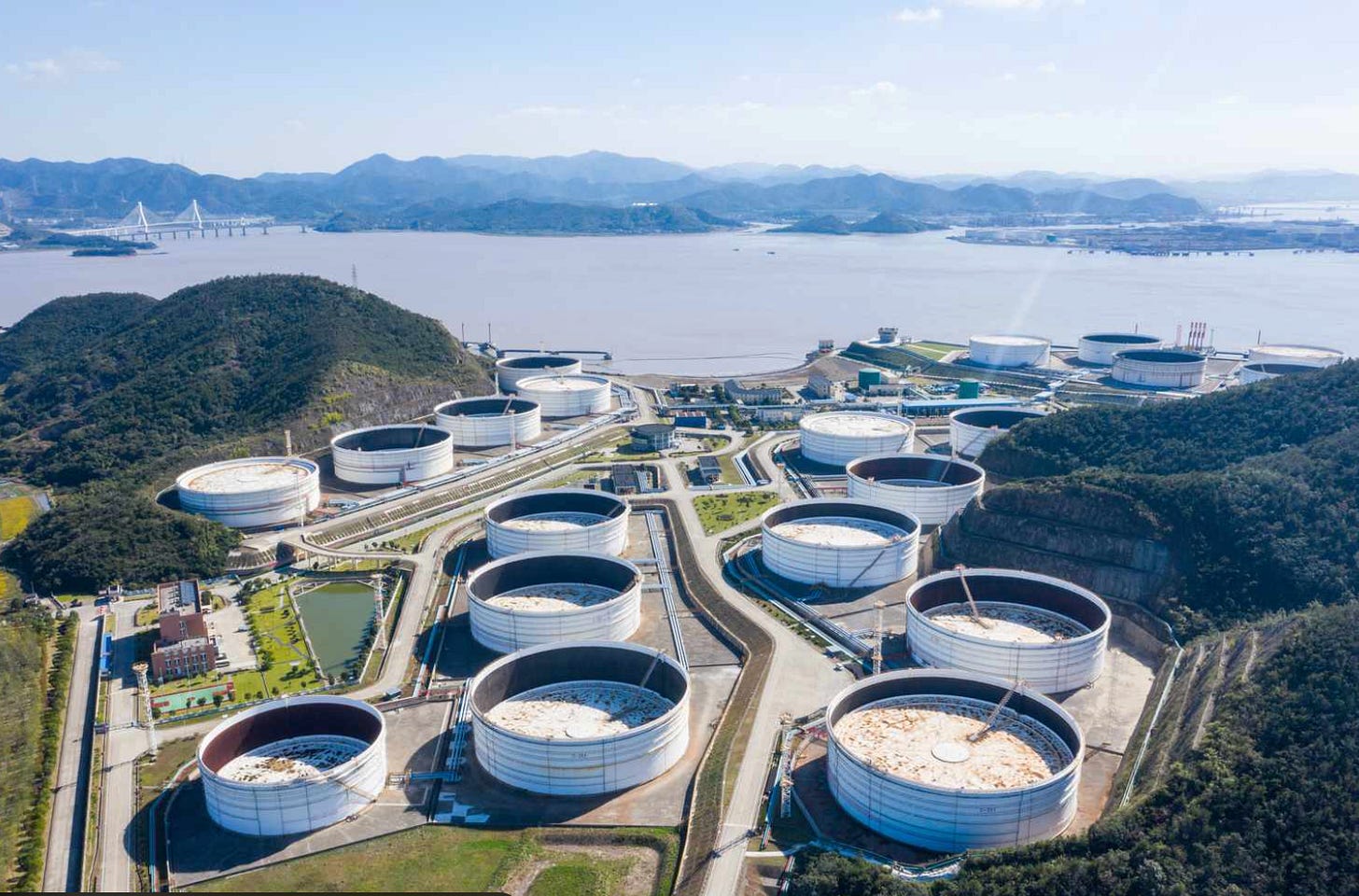
Chuck Warren raises a simple but revealing comparison: America maintains a Strategic Petroleum Reserve — so what should we have for rare earths and critical minerals?
Dr. Reiss’s answer reframes the entire debate. Stockpiles aren’t about hoarding raw materials indefinitely. They’re about time.
In a real conflict scenario, the key question isn’t how much we have today — it’s how long we can keep producing while supply chains are disrupted, degraded, or weaponized.
To answer that, she argues, policymakers must assess:
-
How quickly critical materials degrade or are consumed
-
Where the U.S. still depends on foreign sources
-
Which materials cannot be rapidly reproduced domestically
Only then can the U.S. determine how much material must be stockpiled to sustain operations for one to two years of conflict.
Transcript
Chuck Warren: So we have the United States, the Strategic Petroleum Reserve, okay?
Dr. Meg Reiss: Yes.
Chuck Warren: What should we have? We’ve skimmed it a little bit, but what should we have on that for rare earth minerals and how much should we have saved up in case of a crisis?
Dr. Meg Reiss: I think that we should have saved up enough minerals and enough material that if we want to continue production for the warfighter, basically we need to do the reviews to understand how much downgrading of materials we’ll lose over the course of a year or a two year conflict and take that as how much we need to have stockpiled.
In some capabilities, some of it we can reproduce very quickly because we have those capabilities in the US. But as we’re thinking through, where do we have dependencies, we try to stock, we should try to stockpile as much as we can to be able to maintain a conflict for one to two years. And in the meantime, trying to serge production so that that isn’t necessary five years from now, so that we can produce all of that within the US.
So we don’t have to really stockpile at that point because we’ll be able to have our own capabilities.
Listen to the full episode of Breaking Battlegrounds anywhere you stream your podcasts!